
From Zero to Hero: Building a Profitable Shopify Store in 2026 Without the Usual Hacks
Discover a step‑by‑step Shopify roadmap for 2026—store setup, product research, traffic tricks, and scaling tips—to launch a high‑profit ecommerce store fast.
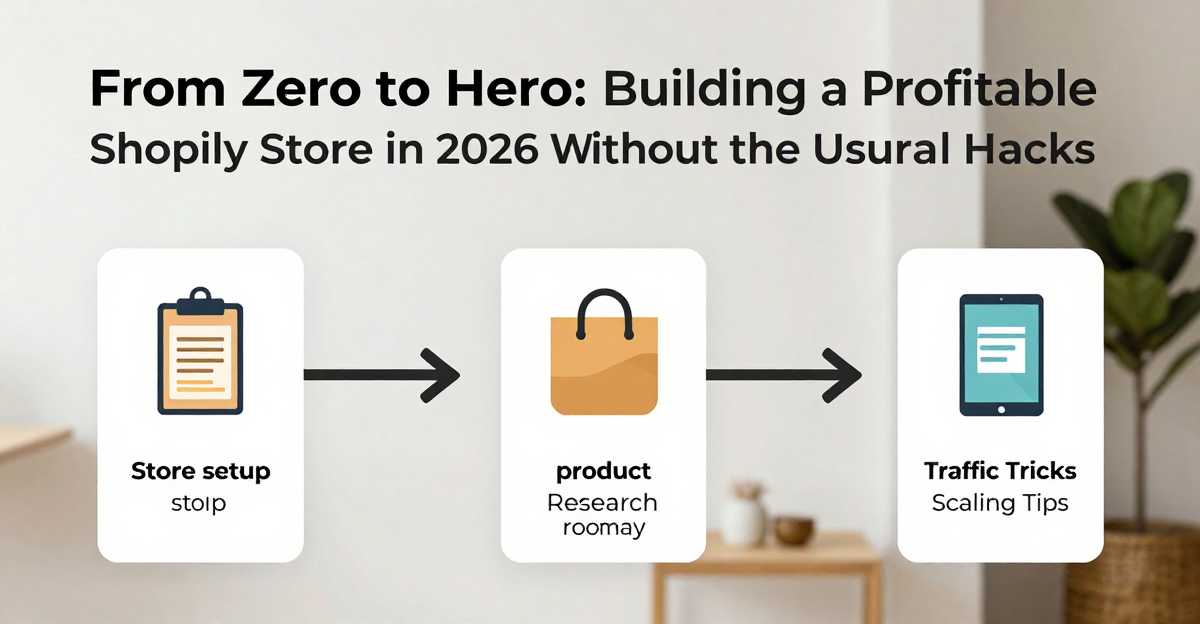
From Zero to Hero: Building a Profitable Shopify Store in 2026 Without the Usual Hacks
Imagine launching a Shopify store in 2026 that starts generating profit from day one—no shady shortcuts, no endless trial‑and‑error, just a clear roadmap built on the latest platform updates and market signals. While Reddit threads about “shopify 2026” and buzzing discussions on Shopify stock dominate the conversation, the real opportunity lies in mastering the fundamentals that the community often overlooks. This guide cuts through the hype and gives beginners the Shopify tips they need to set up a high‑converting store that rides the wave of 2026 trends.
From grasping the evolving Shopify ecosystem to finding and validating winning products, we’ll walk you through proven product research methods, low‑cost traffic hacks, and conversion‑focused Shopify SEO. You’ll also learn how to automate customer service, leverage top‑rated Shopify app recommendations, and implement scalable marketing strategies that keep shoppers coming back. By the end, you’ll have a solid foundation for Shopify scaling and future‑proofing your business without relying on the usual hacks.
1. Grasping the Shopify Ecosystem in 2026
Why Shopify stays ahead – In 2026 Shopify continues to dominate because it offers a fully hosted, scalable solution that works for beginners and seasoned sellers alike. Its Shopify store setup wizard, 24/7 Shopify customer service, and robust Shopify SEO tools make it a go‑to platform for fast‑track ecommerce.
These Shopify tips for beginners focus on selecting the right plan, theme, and essential apps to launch quickly.
The platform’s reliability also translates into higher conversion rates.
- Plans & pricing: Basic, Shopify, Advanced, and Plus tiers let you grow.
- App Store & native integrations: Over 6,000 vetted apps, from Shopify automation to product research, keep workflow lean.
- Themes: Responsive, SEO‑friendly designs that support conversion optimization out of the box.
Recent Shopify 2026 trends include built‑in AI product recommendations, faster storefront rendering via Hydrogen 2.0, and enhanced meta‑field handling. These updates improve store performance and Shopify SEO scores.
Better speed and structured data mean higher rankings.
When you stack Shopify against WooCommerce or BigCommerce, the differences are clear: Shopify handles hosting, security, and Shopify scaling automatically, while competitors require separate plugins, more technical upkeep, and suffer slower load times.
This makes Shopify the safer bet for rapid growth.
For entrepreneurs looking to diversify earnings, pairing a well‑optimized Shopify store with a broader step‑by‑step guide to building multiple income streams in 2026 can accelerate growth.
2. Setting Up a High‑Converting Store From Scratch
Choosing the right Shopify plan sets your growth ceiling. Beginners can start with Basic; the Shopify plan lowers fees and adds staff accounts for scaling in 2026.
Mobile‑first, fast‑loading theme
- Select a lightweight, mobile‑first theme like Debut or Dawn that loads under two seconds.
- Customize colors, fonts, and homepage sections to match your brand.
- Fill Shopify’s SEO fields (title, meta, alt) to lay the foundation for Shopify SEO.
Essential 2026‑approved apps
- Checkout Boost reduces friction with one‑click payment and dynamic shipping rates.
- Stamped.io adds reviews and integrates with Shopify email capture.
- Klaviyo automates welcome flows and cart‑abandonment, a key part of Shopify automation.
Finally, configure taxes, shipping zones, and payment gateways for a seamless checkout. Enable automatic tax calculations, carrier‑calculated rates, and connect Stripe or Shopify Payments for instant payouts. A smooth checkout boosts Shopify conversion optimization and reduces support tickets, letting Shopify customer service focus on higher‑value issues.
Master these basics and you’ll have a solid Shopify store setup that supports product research, dropshipping, and marketing strategies while aligning with Shopify 2026 trends. For a broader view on diversifying revenue, see our guide on building multiple income streams online in 2026.
3. Finding and Validating Winning Products
Finding a winning product is the heart of any Shopify store setup in 2026. Start with free research tools—Google Trends shows rising search volume, Reddit’s r/Shopify reveals real‑world pain points, and TikTok hashtags expose what shoppers are buying now. These sources feed your Shopify product research without spending a dime.
Next, run the 3‑C test:
- Competition: Use the Shopify app recommendations like eCommerce Competition Analyzer to gauge market saturation.
- Customer demand: Check keyword volume and social buzz; a steady upward trend signals lasting interest.
- Cost‑to‑profitability: Calculate product cost, Shopify fees, and shipping to ensure a healthy margin for Shopify conversion optimization.
Validate the idea with low‑risk tests. Create a simple pre‑order page using Shopify automation, run Instagram polls, or launch micro‑ads targeting a narrow audience. If the click‑through and sign‑up rates exceed 5 %, you have a viable niche.
Finally, decide on a sourcing model. Shopify dropshipping offers zero inventory risk, print‑on‑demand adds customization, while bulk inventory gives you control over Shopify stock and faster shipping. Pair the right model with solid Shopify customer service and you’re set to scale.
For a broader view on diversifying revenue, check out this guide on building multiple income streams online in 2026.
4. Driving Traffic With Modern, Low‑Cost Strategies
When your store is live, the real challenge is getting the right eyes on it without blowing your budget. In 2026, a handful of low‑cost channels can deliver steady, high‑quality traffic that aligns with the latest Shopify marketing strategies.
- Ride the TikTok wave. The platform’s recommendation engine rewards content that taps trending hashtags like #fyp and #viral. Create short, product‑focused videos that showcase use‑cases or behind‑the‑scenes moments, then engage with comments to boost organic reach.
- Tap Pinterest SEO. Pinterest acts as a visual search engine. Optimize pin titles and descriptions with long‑tail keywords such as “Shopify dropshipping summer dresses” and add rich pins to drive evergreen traffic from users planning purchases months ahead.
- Smart Facebook‑Instagram combos. Pair retargeting ads with look‑alike audiences. Use carousel or Reel‑style creatives that echo your TikTok style, and set a modest daily budget to test ad‑creative hacks that improve click‑through rates.
- Capture emails and SMS. Offer a quick discount or free guide in exchange for an email. Follow up with a welcome sequence that introduces your brand story, then automate SMS reminders for cart abandonment – a proven Shopify conversion optimization tactic.
Integrating these tactics early in your Shopify store setup creates a diversified traffic mix that scales as you grow. For a broader view on building multiple revenue streams, check out this step‑by‑step guide to building multiple income streams in 2026.
5. Optimizing Customer Service & Retention
A smooth customer‑service experience is the backbone of any profitable Shopify store setup, as Shopify 2026 trends push brands toward higher retention rates.
Start by enabling Shopify’s native help‑center and pairing it with a live‑chat app such as Tidio or Gorgias. These tools let you automate common queries, route tickets to the right agent, and keep response times under a minute—an essential Shopify tip for beginners.
- Live‑chat: Tidio, Gorgias, or Zendesk Chat
- FAQ builder: HelpCenter, FAQ Page Builder
Next, build a comprehensive FAQ and self‑service portal. A knowledge base reduces support tickets by 30 % and frees up time for strategic Shopify marketing strategies. Include sections on sizing, shipping, and Shopify stock availability to pre‑empt common concerns.
Post‑purchase flows are where automation shines. Use Shopify automation apps to send order‑tracking emails, upsell related products, and enroll buyers in a loyalty program. Each touchpoint boosts Shopify conversion optimization and encourages repeat purchases, feeding your Shopify scaling plan.
Finally, design a clear returns and refunds policy and train your team to handle negative reviews with empathy. Promptly addressing issues protects your brand reputation and boosts Shopify SEO. For a view on building multiple income streams, see how to create online revenue streams in 2026.
6. Scaling & Future‑Proofing Your Shopify Business
Scaling your Shopify store isn’t just about adding more traffic; it’s about building systems that keep the business running smoothly as you grow. By leveraging Shopify automation and smart data, you can future‑proof your operation for 2026 and beyond.
- Automate inventory, fulfillment, and accounting with Shopify Flow and top Shopify app recommendations. Connect third‑party logistics, accounting software, and real‑time stock updates so you can focus on strategy instead of manual tasks.
- Expand internationally using multi‑currency support, localized domains, and automated duty calculations. This turns a single‑country store into a global brand without the headache of manual conversions.
- Monitor Shopify stock performance and financial metrics daily. Use the built‑in analytics and external dashboards to spot trends, adjust pricing, and make data‑driven decisions that boost conversion optimization.
- Stay ahead of Shopify 2026 trends such as AI‑driven product recommendations, augmented‑reality (AR) product views, and sustainability positioning. These features not only improve the shopper experience but also give you a competitive edge in SEO and marketing.
Regularly reviewing these metrics lets you refine your Shopify store setup and marketing strategies and align them with long‑term goals. For entrepreneurs looking to diversify revenue, consider reading about building multiple income streams online to complement your Shopify scaling efforts.
Conclusion
By now you’ve seen why Shopify remains the platform of choice in 2026, how a solid Shopify store setup can eliminate early‑stage roadblocks, and why rigorous Shopify product research is the heartbeat of any profitable venture. The guide walked you through picking the right plan, validating winning products, applying modern low‑cost Shopify marketing strategies, and building a seamless Shopify customer service experience that drives retention. Finally, we highlighted the importance of Shopify automation, data‑driven scaling, and staying ahead of Shopify 2026 trends with the right app recommendations.
Take the next step today: create your store, install a few essential Shopify apps, and launch a small‑scale test of your top‑rated product using the traffic tactics we covered. Track key metrics, refine your Shopify SEO and conversion optimization, and let automation handle order fulfillment and customer follow‑up. As you hit your first profit milestones, reinvest in proven Shopify scaling methods—more ads, expanded inventory, and advanced analytics—to keep the growth curve steep. Remember, the hero’s journey isn’t about shortcuts; it’s about disciplined execution, continuous learning, and leveraging the ever‑evolving Shopify ecosystem to turn zero into sustainable success.
